
On this page
Introduction: why this mattered
We live in a society where verbal language is treated as the primary form of communication. As a result, the body is often ignored or silenced through stigma, taboo and socio-cultural conditioning. Youth in Contact was created to challenge this imbalance. Through Contact Improvisation and body-centered practices, the project aimed to reconnect participants with physical communication and embodied awareness.
I took part in this Erasmus+ project with the Italian NGO Hermes Academy. It was my first Erasmus+ experience and it significantly changed how I think about touch, communication and learning. The fact that it happened during the COVID-19 pandemic made the experience even more intense and meaningful.
What Contact Improvisation (CI) is
Contact Improvisation emerged in the 1970s, with Steve Paxton as one of its main pioneers. At its core, CI is about listening to weight, balance, momentum and another person’s presence. There is no ideal or perfect body. Instead, the practice values exchange, shared responsibility and mutual trust.
CI breaks traditional hierarchies found in dance. It includes people of different ages, genders and abilities, including dancers with disabilities. It exists across artistic, educational and therapeutic contexts and is widely used in education.
Psychological studies underline the importance of physical contact for mental health and identity development. When societies normalize disconnection from the body, consequences such as dissociation and depersonalization can emerge. CI works as a tool to restore bodily awareness and rebuild human connection through non-verbal communication.
Project overview
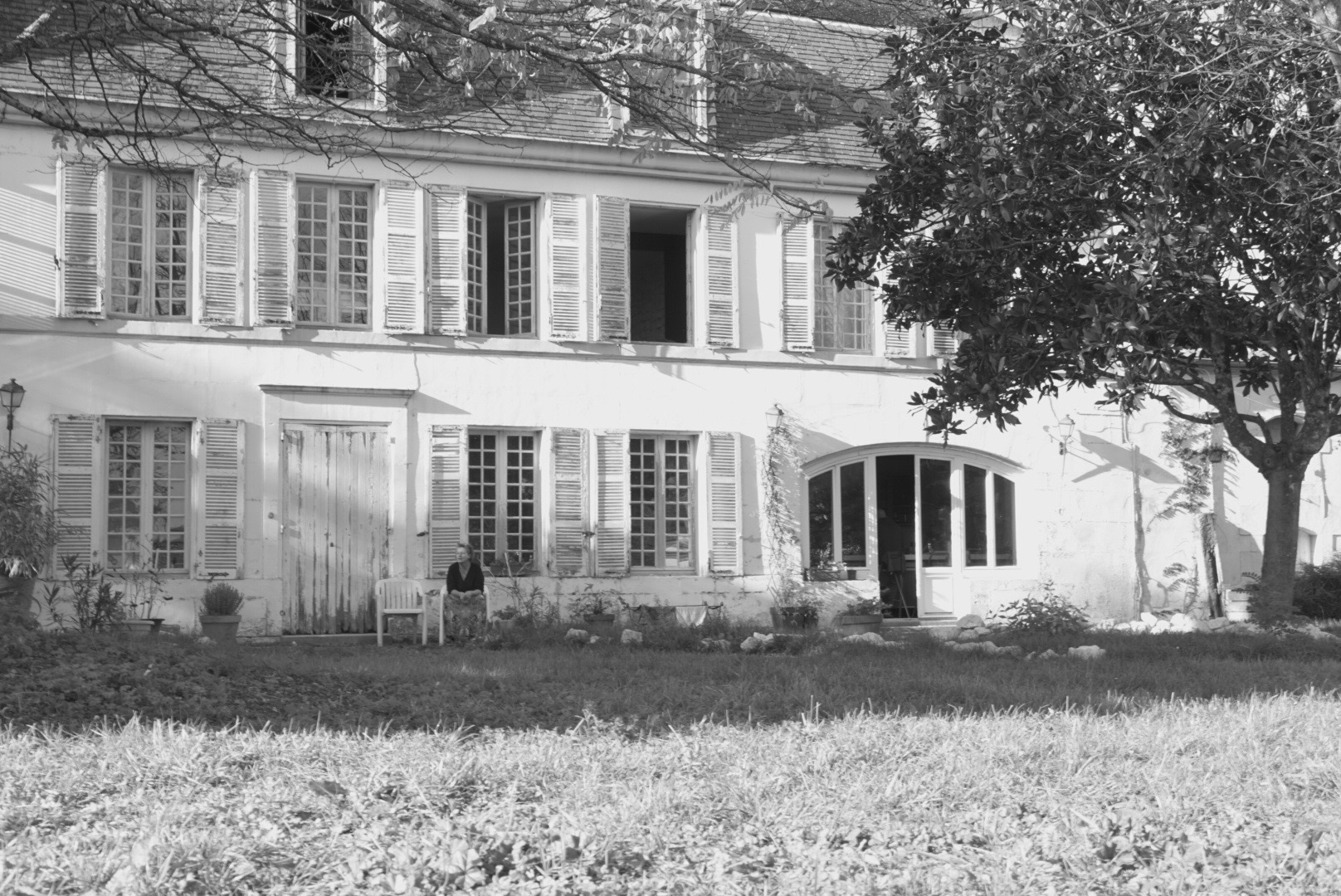
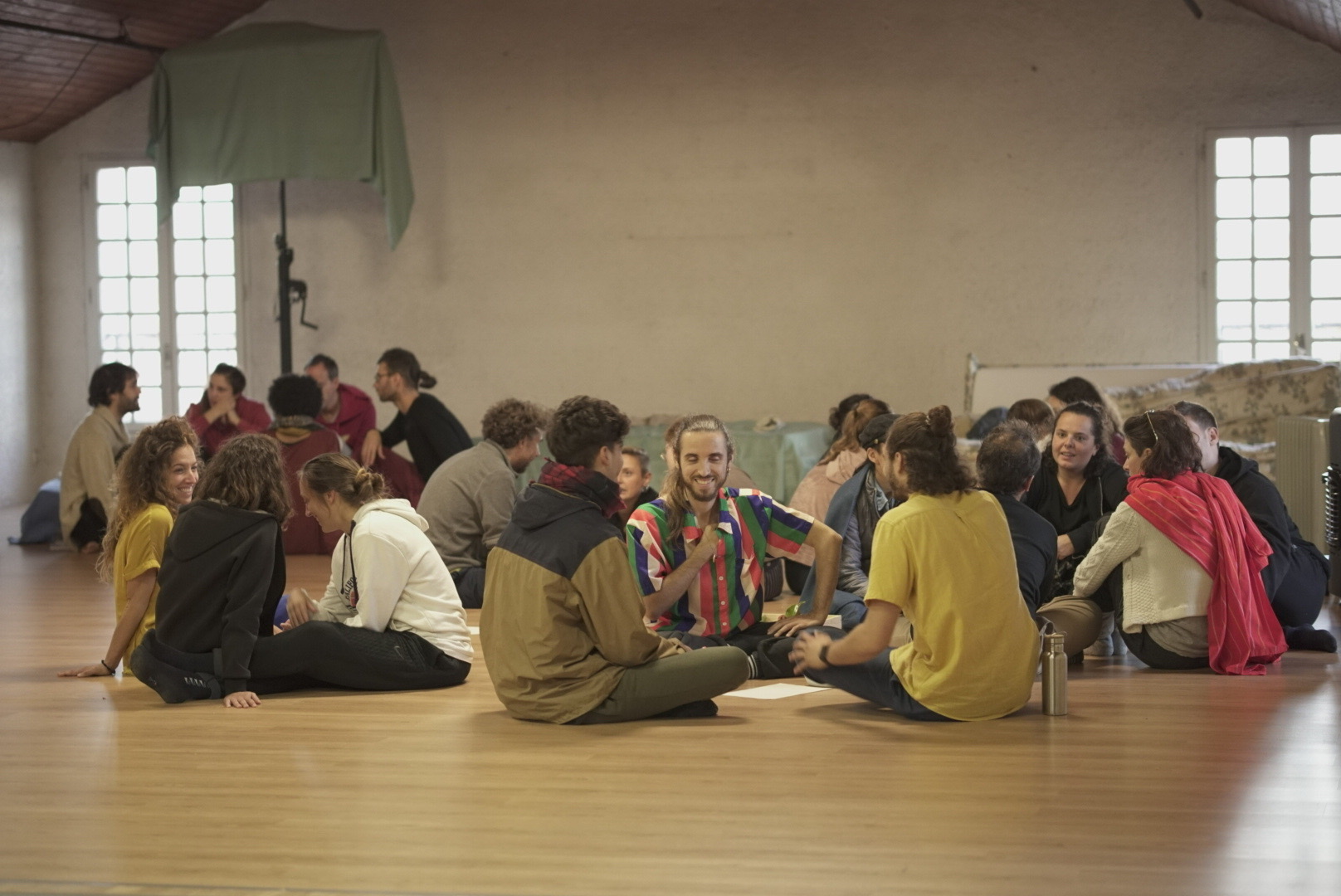
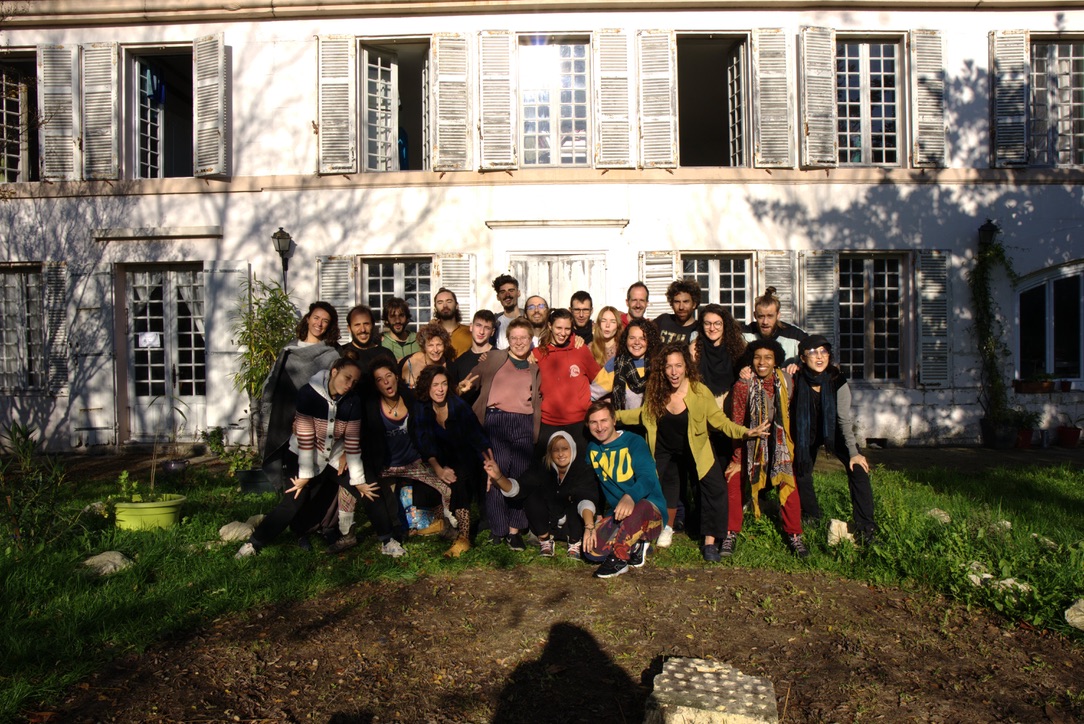
Youth in Contact took place in Chérac, France from early October to early November 2020. Participants from different European countries lived and worked together, taking part in workshops, improvisation sessions and group activities. The methodology combined Contact Improvisation, movement pedagogy and collective reflection, with a strong focus on inclusion and consent.
The project took place during the COVID-19 pandemic, which made the context challenging. Masks, restrictions and uncertainty were part of daily life. Despite this, the organizers managed to carry on with the project. However, halfway through, France announced a national lockdown, forcing the project to end earlier so that participants could return safely to their home countries.
My personal experience
This was my first Erasmus+ project. I had previous experience with classical and modern dance during my childhood, so movement was familiar to me, but Contact Improvisation was completely new. Practicing physical contact during a pandemic felt unusual and challenging, but also deeply meaningful.
What stood out to me:
- Relearning physical contact. After months of social distancing, the project created a safe environment where touch was negotiated consciously and respectfully.
- Communication beyond words. English was the main language, but French and other languages were present. The body often became the most effective tool for communication.
- Inclusion in practice. CI allowed people with very different bodies and backgrounds to participate equally, enriching the experience.
- A therapeutic dimension. Some sessions helped me recognize tension and avoidance patterns and offered simple ways to work through them.
- The impact of the pandemic. Ending early was stressful, but it was the safest option for everyone involved.
Despite the interruption, I am very grateful that I chose to participate. The experience reminded me how powerful embodied learning can be and how essential physical connection is when handled with care and consent.
Key takeaways
For anyone interested in organizing or joining similar projects:
- Clear rules around safety and consent are essential.
- Contact Improvisation works as a communication tool, not just as dance.
- Inclusion should be central, not optional.
- Multilingual environments enrich embodied learning.
- Flexibility is crucial, especially in unstable contexts like a pandemic.
Final reflections
Youth in Contact was more than a dance project. It offered practical tools for listening, trust and non-verbal communication. It deepened my interest in embodied learning and its applications in education and mental health.
If you ever have the opportunity to take part in a project like this, take it. Expect discomfort, growth and genuine connection. Relearning how to relate to others through the body is an experience that stays with you long after it ends.
Subscribe to my Newsletter
Get notified when I publish new articles about technology, EU policy, and personal reflections. No spam, unsubscribe anytime.